Ice Baths Vs Saunas: Benefits, Differences, and When to Use Each
Ice baths and saunas offer very different benefits. This article compares cold and heat therapy, explaining when to use each and how they can support recovery and wellbeing.
More than 60% of athletes now use cold or heat therapy for recovery, but the right choice depends on your goals and timing. Ice baths blunt inflammation and nerve conduction, which may curb soreness but can dampen muscle gains if used right after strength work. Saunas boost blood flow and heat-shock responses, aiding relaxation and cardiovascular strain tolerance, yet they can stress those with low blood pressure or heart issues. So which should you pick after your next session, and when?
Key Takeaways
Ice baths reduce inflammation and soreness post-intense training; use 8–12°C water for 5–10 minutes within 30–60 minutes after workouts.
Saunas promote relaxation, blood flow, and recovery on low-intensity days; typical sessions are 70–90°C with careful hydration.
Cold elevates alertness and causes vasoconstriction; heat induces relaxation, vasodilation, and increased heart rate.
Frequent immediate cold after lifting may blunt strength or hypertrophy gains; avoid overuse and monitor next-day performance.
Combining heat and cold can enhance vascular responsiveness, but rapid alternation may dampen muscle-building signals; transition gradually and consider health conditions.
What Are Ice Baths and Saunas?
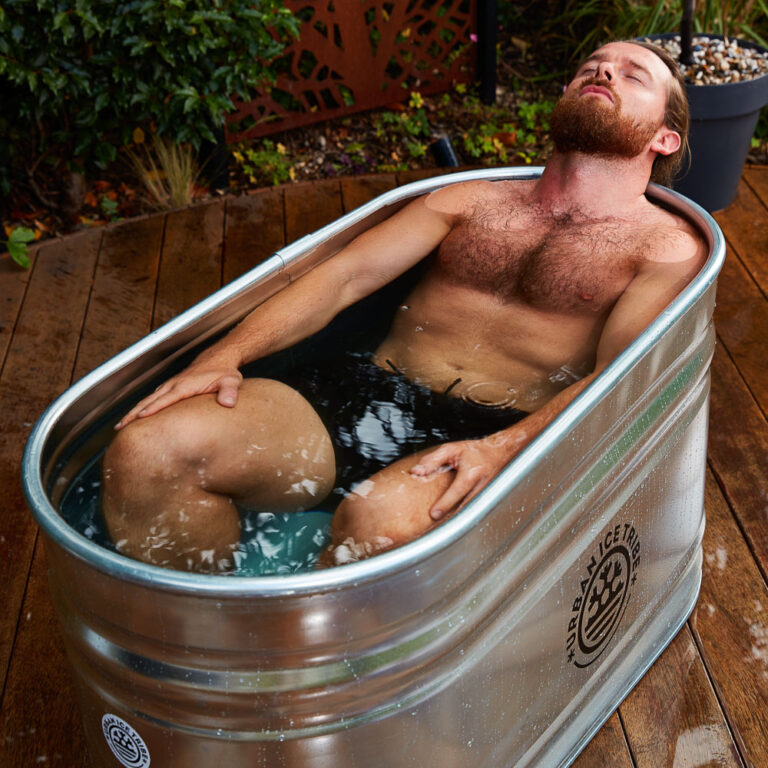
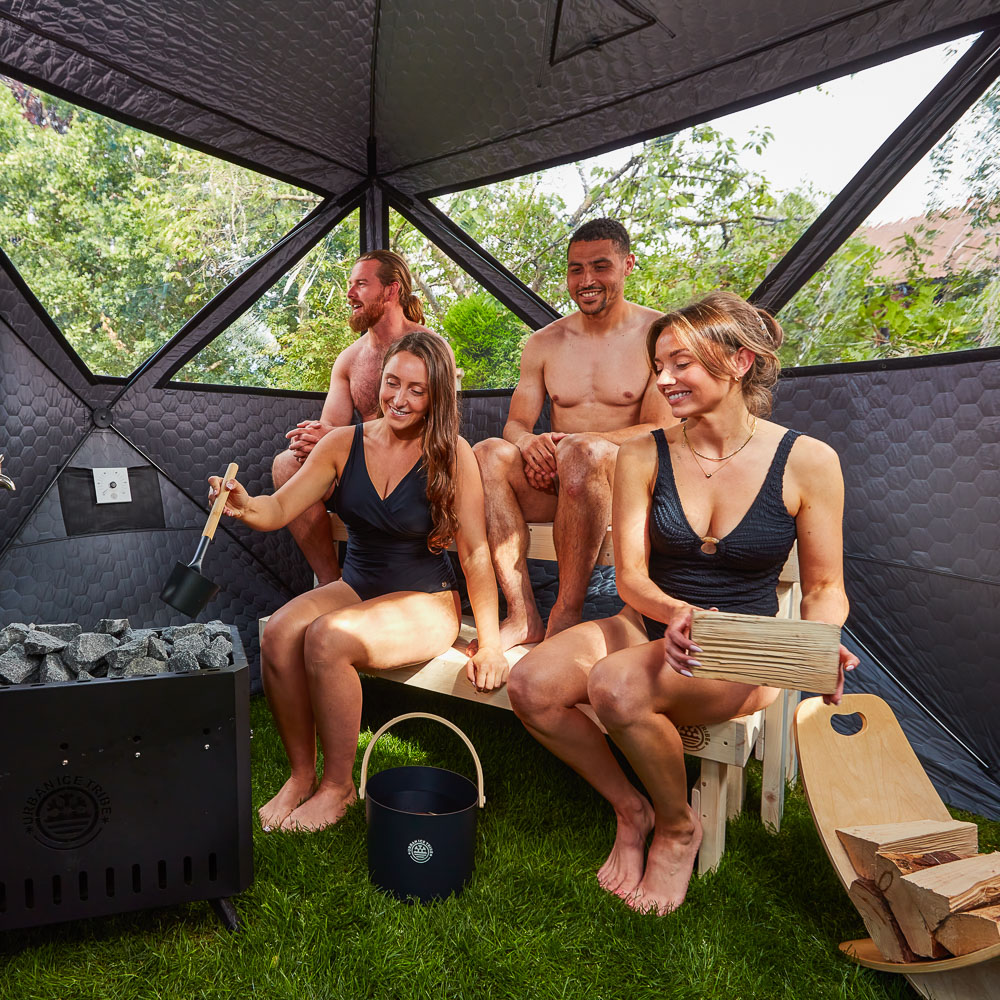
Contrast helps: an ice bath exposes your body to cold water (typically 5–10°C) for a short period, while a sauna uses heated air (often 70–90°C, higher in some styles) to raise body temperature.
You’re engaging opposite stressors: cold triggers rapid vasoconstriction and shivering thermogenesis; heat prompts vasodilation and sweating. In practice, ice baths vs saunas differ in how they load your cardiovascular system and influence perception of recovery.
With an ice bath, you may see reduced skin and tissue temperature, slower nerve conduction, and an acute dampening of soreness signals.
In a sauna, elevated core temperature may increase heart rate, circulation, and fluid loss.
When weighing sauna vs ice bath benefits, note risks: cold shock, afterdrop, dizziness, or overexertion in heat, especially with dehydration or cardiovascular conditions.
The Benefits of Ice Baths
You may find ice baths help with recovery and muscle soreness by acutely constricting blood vessels, reducing local inflammation, and blunting nerve signalling, effects shown in small trials but variable by timing and training goals.
Brief cold exposure also triggers a controlled stress response (catecholamines and cortisol), which many people use to practice mental resilience and calm breathing under discomfort.
Still, cold can impair strength or hypertrophy adaptations if used immediately post-lift, so you’ll want to time sessions thoughtfully and start conservatively.
Recovery and Muscle Soreness
Curious how cold can ease post‑workout aches? An ice bath may help by constricting blood vessels, slowing local metabolism, and tempering inflammatory signalling after intense effort.
When you rewarm, reperfusion may assist waste clearance, which some athletes associate with less soreness and quicker muscle recovery. Compared with cold therapy vs heat therapy, cold is often used immediately after high‑intensity or contact sessions to moderate swelling, while heat is typically reserved later to promote circulation and mobility.
Evidence suggests short immersions (for example, 5–10 minutes at 10–15°C) can reduce perceived soreness within 24–48 hours.
Still, responses vary. Overuse or very cold exposures may blunt training adaptations, especially strength and hypertrophy. If you’re chasing gains, keep sessions brief, avoid ice baths right after key lifting, and monitor how you feel.
Mental Resilience and Stress Response
Beyond sore muscles, cold exposure also targets how the body handles stress. When you step into an ice bath, rapid skin cooling triggers a controlled fight-or-flight response: catecholamines rise, breathing quickens, and heart rate initially spikes.
With repeated, brief exposures, you practice downshifting that response through slow breathing and focus. Many people find this helps build tolerance to everyday stressors.
Mechanistically, cold exposure may enhance vagal tone and improve heart rate variability, markers linked to stress regulation. It can also prompt post-cold parasympathetic rebound, which feels calming after the plunge.
Compared with heat exposure, which often relaxes you during the session, ice baths ask you to regulate arousal in the moment.
Risks remain: cold shock, hyperventilation, and overexposure. Start gradually, exit if numbness or dizziness occurs, and avoid solo sessions.
The Benefits of Saunas
You may find that sauna heat promotes relaxation by activating parasympathetic pathways while gradual heat exposure helps you build tolerance to thermal stress.
Increased skin and muscle blood flow can support nutrient delivery and waste removal, which many people use to aid recovery.
Still, consider risks like dehydration, dizziness, or exacerbation of cardiovascular conditions, and adjust session length and temperature accordingly.
Relaxation and Heat Adaptation
While cold exposure gets attention, regular sauna sessions may offer a different set of benefits centred on relaxation and gradual heat adaptation.
In heat, your body ramps up sweat production, redistributes blood to the skin, and increases ventilation, which may help you tolerate higher temperatures over time. This relaxation and heat adaptation often pairs well with wellness routines because the predictable warmth and quiet setting can lower perceived stress and promote unwinding.
Mechanistically, repeated heat exposure can increase plasma volume and upregulate heat-shock proteins, which may support cellular resilience.
You may also notice improved tolerance to daily heat, fewer feelings of overwhelm in warm environments, and a smoother cool-down after sessions.
Start conservatively, hydrate, and listen to early warning signs like dizziness or headache. If you’re pregnant, unwell, or heat-sensitive, consider speaking with a professional first.
Circulation and Recovery Support
As core temperature rises in a sauna, blood vessels dilate and heart rate increases, which can boost skin and muscle blood flow and support nutrient delivery and waste clearance.
This thermally driven vasodilation may help you feel looser post-session and can complement other recovery methods. Increased circulation is linked with faster removal of metabolic by-products and improved oxygen delivery, which many people find helpful after training.
A short cool-down between rounds creates a gentle pump effect as vessels constrict and re-dilate.
Compared with an ice bath vs sauna, heat usually emphasises perfusion and relaxation, while cold emphasises acute vasoconstriction. Both can be useful, but heat may suit low-intensity recovery days.
Stay hydrated, limit session length, and stop if you feel dizzy, overheated, or unwell.
Key Differences Between Ice Baths and Saunas
Although both involve temperature stress, ice baths and saunas act on the body through opposing mechanisms. In the cold plunge vs sauna debate, you’re weighing heat therapy vs cold therapy with distinct physiological effects.
Cold causes rapid vasoconstriction and reduced nerve conduction; heat promotes vasodilation and sweating. Both may aid recovery, but they differ in timing, tolerance, and risks.
You might use an ice bath after intense training when you want to blunt acute inflammation and soreness; cold exposure can reduce tissue temperature, slow nerve conduction, and may limit swelling.
If you’re building mental resilience, brief, controlled cold stress can train breath control and focus while activating the sympathetic response in a measured way.
Balance potential benefits with risks such as impaired strength adaptations if used immediately after strength sessions, excessive shivering, or cold-related strain, and adjust duration and temperature accordingly.
Post-Exercise Recovery
While muscles are still warm and blood flow remains elevated after training, an ice bath may help limit acute inflammation, reduce nerve conduction velocity, and blunt soreness in the short term.
If your goal is faster turnaround between sessions, brief cold exposure is often used within 30–60 minutes post-workout. It may slow metabolite accumulation, dampen swelling, and provide analgesia without impairing movement quality.
However, if you’re chasing hypertrophy or strength adaptations, regular immediate cold may blunt anabolic signalling; you might delay it to later in the day or reserve it for high-fatigue phases. Many athletes pair cold and heat as contrast therapy to modulate circulation.
Target: 8–12°C, 5–10 minutes
Submerge limbs/core as needed
Breathe steadily; exit if numb
Rewarm gradually afterwards
Monitor sleep and next-day performance
Mental Training and Cold Exposure
Because cold is a controlled stressor, an ice bath can serve as a practical mental training tool: you practice noticing stress, regulating your breath, and choosing a calm response.
Cold exposure triggers sympathetic arousal, faster heart rate, shallow breathing, and a spike in norepinephrine. When you slow your exhale and relax your face and shoulders, you may reduce perceived threat and build tolerance to discomfort. Many people find brief, safe exposures help them rehearse focus and composure.
Use an ice bath for mental training when you want short, deliberate stress doses. Start with 1–3 minutes at moderate cold, keep your head above water, and exit if you feel numbness, chest pain, or dizziness.
Avoid if you’re pregnant, have cardiovascular issues, Raynaud’s, or uncontrolled blood pressure.
When Should You Use a Sauna?
You might choose a sauna on relaxation or recovery days, as passive heat can increase skin blood flow and may ease muscle tension without adding training stress.
Heat exposure also triggers sweating and mild cardiovascular strain, which many people find supports perceived wellness and sleep quality.
Start low and go slow, monitor hydration, lightheadedness, and any heat sensitivity, and avoid long sessions if you’re unwell or pregnant.
Relaxation and Recovery Days
After tough training blocks or stressful weeks, a sauna session may support relaxation and gentle recovery without adding mechanical load.
Heat exposure increases skin and core temperature, which may promote vasodilation, easing perceived muscle tightness and helping you unwind. Mild hyperthermia can increase parasympathetic activity post-session, so you leave calmer, not wired.
On recovery days, use shorter bouts and moderate temperatures to reduce fatigue risk and dehydration.
Promote circulation: heat-driven vasodilation may help deliver nutrients and clear metabolites.
Downshift stress: post-sauna parasympathetic rebound may support relaxation and sleep readiness.
Ease stiffness: warmed tissues often feel more pliable, aiding comfortable movement.
Light sweat: fluid shifts may feel “resetting,” but rehydrate to avoid dizziness.
Gentle timing: 10–15 minutes, 1–2 rounds, with cool but not cold breaks.
Heat Exposure for Wellness
While goals differ, sauna use often suits times when you want systemic warmth to nudge circulation, relax tone in muscles, and support wind‑down without adding training stress.
Heat exposure raises skin and core temperature, which may increase blood flow, reduce perceived stiffness, and stimulate sweating to support fluid turnover. You also trigger heat shock protein activity that may help cellular repair and mitochondrial function.
Use a sauna on easy days, in the evening for relaxation, or after low‑intensity movement when you’d like a calm parasympathetic shift.
Start conservatively: short bouts, moderate heat, and steady hydration with electrolytes. Skip or shorten sessions if you feel dizzy, overheated, or poorly recovered.
If you’re pregnant, have cardiovascular conditions, or take blood‑pressure medications, check suitability with a clinician first.
Can You Use Ice Baths and Saunas Together?
Curious whether combining heat and cold makes sense? It can, if you’re deliberate.
Alternating a sauna with an ice bath may amplify contrast: heat raises skin temperature, heart rate, and blood flow; cold rapidly reverses those effects. This shift can train vascular responsiveness and may help you perceive recovery benefits.
However, fast alternation after strength sessions may blunt muscle-building signals; many people separate contrast work from heavy training days.
Start warm to promote vasodilation; use brief cold to induce vasoconstriction.
Keep changes controlled; avoid sudden standing to reduce dizziness risk.
Hydrate and rewarm fully; monitor breathing and heart rate.
Limit extremes: moderate temperatures and short exposures often suffice.
Consider health factors (circulation, blood pressure); when unsure, progress gradually.
Final Thoughts: Choosing the Right Approach for You
Combining heat and cold can make sense, but your choice should reflect goals, timing, and tolerance. If you want to blunt acute soreness after high-intensity work, a short, cold exposure may help by dampening inflammation and slowing nerve conduction.
If you’re chasing long-term training adaptations, you may prefer heat post-session and save cold for rest days, as cold soon after lifting may reduce anabolic signalling.
Use your response as feedback. If cold leaves you shivery for hours or disrupts sleep, reduce duration or go warmer. If heat makes you lightheaded, shorten sessions and hydrate.
Consider health context: cardiovascular or neuropathy concerns warrant extra caution and gradual progression. Track simple markers, sleep, mood, perceived recovery, and performance, to see what reliably supports your routine.
Frequently Asked Questions
How Should Beginners Safely Progress Exposure Time and Temperature?
Start conservatively: you begin cold at 10–15°C for 1–3 minutes and hot at 60–70°C for 5–10 minutes. Progress gradually weekly, monitor breathing and afterdrop, prioritise exit control, rewarm slowly, hydrate, avoid dizziness, and stop if numbness or confusion develops.
What Gear or Accessories Improve Comfort and Hygiene?
You’ll improve comfort and hygiene with a quick-rinse shower, microfiber towel, sandals, breathable robe, nitrile gloves, and a beanie. One study found hands and feet lose heat 30% faster, insulated booties and gloves may reduce afterdrop and skin irritation.
How Do Costs Compare: Purchase, Running, and Maintenance?
Ice baths usually cost less upfront and to run; saunas often require higher purchase, electrical installation, and heating costs. You’ll budget for filtration, water, and sanitisers versus sauna maintenance, ventilation, and electricity. Lifespan, insulation, and usage frequency heavily influence totals.
Are There Environmental Considerations for Water and Energy Use?
Yes. You’ll weigh water use, energy demand, and lifespan impacts. Ice baths use water volume and cooling cycles; saunas draw sustained heat. You’ll reduce footprints by reusing/filtration, insulating, moderating temperatures, timing sessions, choosing efficient heaters/chillers, and responsibly draining water.
How Might Sessions Affect Sleep if Done Late Evening?
Late-evening sessions can nudge sleep differently: warmth may promote relaxation via parasympathetic activation and cooling rebound; cold may delay sleep by elevating alertness and catecholamines. You’ll likely sleep better with heat, but individual responses vary; finish 1–3 hours before bedtime.
Summary
You’ve got two powerful tools. Use ice baths after hard training to blunt inflammation and soreness by constricting blood vessels and dampening nerve signalling, just avoid them right after strength sessions if you’re chasing hypertrophy. Choose saunas on recovery days to boost circulation, relaxation, and heat-shock adaptations, like turning your body into a resilience furnace. If you combine them, finish warm, start short, and monitor how you feel. Check contraindications (heart issues, pregnancy, neuropathy) and hydrate like your life depends on it.
Contrast therapy combines cold and heat exposure into a single routine. This guide explains how ice baths and heat therapy are used together, potential benefits, and how to approach contrast therapy safely.
Ice baths and saunas offer very different benefits. This article compares cold and heat therapy, explaining when to use each and how they can support recovery and wellbeing.
How often should you take ice baths? This guide explores safe frequency guidelines for beginners and regular users, helping you build a sustainable cold exposure routine without overdoing it.