Ice Baths: Benefits, Risks, and Best Practices (A Complete Beginner’s Guide)
Curious about ice baths but not sure where to start? This beginner’s guide covers the benefits, risks, and best practices, with clear safety advice, temperature ranges, and step-by-step guidance.
Like stepping into winter’s quiet, an ice bath can calm inflammation, blunt soreness, and train your stress response, yet it isn’t risk-free. You’ll weigh benefits against real concerns: cardiovascular strain, cold shock, and nerve sensitivity. With the right protocol, 10–15°C, 1–3 minutes, controlled breathing, and a warm rewarming plan, you can start safely. But timing, frequency, and your health status matter more than hype. If you’re curious whether it fits your goals, the next steps are essential.
Key Takeaways
Ice baths rapidly cool the body; start with 10–15°C water for 1–3 minutes to build tolerance safely.
Potential benefits include reduced post-exercise soreness and inflammation, plus improved mood and stress resilience.
Risks include cold shock, rapid breathing, and strain on the heart; avoid if you have cardiovascular issues, Raynaud’s, or neuropathy.
Enter gradually, keep chest above water initially, breathe steadily, and exit if numbness, dizziness, or chest pain occurs.
Begin 1–3 sessions weekly with 24–48 hours between; rewarm promptly with dry clothes, movement, and a warm drink.
What Is an Ice Bath?
You’ll hear “ice bath,” “cold plunge,” and “cold shower” used together, but they’re not the same.
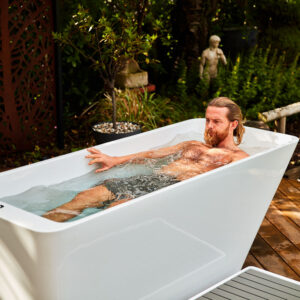
An ice bath typically means full-body immersion in near-freezing water, while a cold plunge may be slightly warmer and more controlled; cold showers expose you to cold water but with less consistent temperature and less immersion.
Each method may offer similar benefits with different risk profiles and tolerability, so you’ll want to match the approach to your goals, experience, and safety needs.
Ice Baths vs Cold Showers and Cold Plunges
How do ice baths differ from cold showers and cold plunges? You’re immersing your whole body in near-freezing water with an ice bath, creating rapid, uniform cooling and a stronger thermal load.
A cold shower cools unevenly, often sparing the torso and making intensity easier to modulate. A cold plunge is similar to an ice bath but typically uses controlled, circulating water at a consistent temperature, which may feel more predictable.
Ice bath benefits may include quicker surface cooling, stronger vasoconstriction, and potentially greater perceived recovery, though evidence varies.
Cold plunge benefits are comparable, with steadier temperatures and easier dosing. Showers are accessible and safer for beginners.
In all cases, start short, monitor breathing, avoid hyperventilation, and stop if dizzy, numb, or shivering uncontrollably. Explore more educational resources to build confidence.
Why People Use Ice Baths
You may use ice baths for physical recovery, as cold exposure can reduce perceived soreness and may limit exercise-induced inflammation when used appropriately.
You might also seek mental benefits, since brief cold stress is often used to practise controlled breathing, build tolerance to discomfort, and support mood regulation.
It’s important to start cautiously, monitor how you feel, and recognise that responses vary by person and training load.
Physical Recovery Benefits
While research is still evolving, many people turn to ice baths for post-exercise recovery because cold exposure may help manage soreness, reduce the perception of muscle fatigue, and support a return to training with less discomfort.
By cooling tissues and constricting blood vessels, ice baths may limit exercise-induced inflammation and reduce swelling in stressed joints or muscles. When you warm up afterwards, blood flow returns, which may aid muscle recovery by clearing metabolites associated with hard training.
You might notice less delayed-onset muscle soreness 24–48 hours after intense sessions, especially sprinting, heavy lifting, or team sports.
Still, cold after strength training may blunt some muscle-building signals if used immediately and frequently. If hypertrophy is your priority, you could save longer cold exposures for rest days or lighter sessions.
Mental and Psychological Benefits
Beyond physical recovery, many people use cold exposure for its mental effects. You may notice a calmer baseline after a brief plunge, as controlled stress can train attention and emotional regulation. Short, safe sessions may help build mental resilience by practicing steady breathing under discomfort. Many people report sharper focus and improved mood afterward, likely linked to arousal and neurotransmitter responses. Prioritise ice bath safety: keep exposures brief, avoid hyperventilation, and step out if you feel dizzy, numb, or panicked.
Aspect
Practical note
Focus
Time your exhales; keep eyes softly fixed to reduce rumination.
Mood
Warm up gradually; gentle movement and tea often help.
Stress tolerance
Increase duration slowly; log sessions and feelings.
Safety
Avoid solo plunges; stop if shivering intensifies or speech slurs.
Explore more evidence-informed resources to deepen your practice safely.
Are Ice Baths Safe? Understanding the Risks
When you enter cold water, your body triggers a cold shock response, rapid breathing, a spike in heart rate and blood pressure, that can feel intense and may pose risks if unmanaged.
You’ll want to understand this response and control breathing and exposure time, especially if you’re new.
If you have cardiovascular disease, uncontrolled hypertension, Raynaud’s, neuropathy, are pregnant, or have recently been ill or injured, you should be cautious and consider avoiding ice baths unless cleared by a clinician.
The Cold Shock Response
Even brief immersion in cold water triggers the “cold shock response”: a rapid, involuntary set of reactions that includes a sudden gasp, faster breathing (hyperventilation), a spike in heart rate and blood pressure, and a surge of stress hormones.
During cold exposure, this reflex can feel overwhelming and may increase ice bath risks if you’re unprepared. The first 60–90 seconds are typically the most intense. You can lower risk by entering gradually, keeping your airway clear, and focusing on controlled breathing.
Exhale gently on entry to reduce the gasp reflex.
Use a slow, steady nasal inhale and longer mouth exhale to curb hyperventilation.
Keep shoulders above water initially; submerge gradually.
Limit early sessions to brief, tolerable durations.
Exit if breathing stays erratic or you feel dizzy.
Explore more evidence-based cold therapy resources to build safe, consistent habits.
Who Should Be Cautious or Avoid Ice Baths
That early cold shock response is manageable for many people, but it also highlights why ice baths aren’t suitable for everyone.
If you have cardiovascular disease, uncontrolled hypertension, arrhythmias, Raynaud’s phenomenon, peripheral neuropathy, open wounds, or reduced sensation, you should be cautious.
If you’re pregnant, immunocompromised, recovering from surgery, or have a low BMI, proceed only with professional guidance.
Avoid alcohol before or after; it increases risk. Children shouldn’t cold plunge without close supervision.
If you’re on beta-blockers or medications affecting circulation, thermoregulation, or mood, check how they interact with cold exposure.
Start mild and brief if you’re new; ice bath safety begins with short, cool immersions, not extremes.
This beginner ice bath guide emphasises gradual progress, warm rewarming, and stopping if you feel dizzy, numb, or unwell.
Explore more learning resources to deepen your understanding.
Ice Bath Best Practices for Beginners
As a beginner, you’ll want to control three variables: water temperature, time in the bath, and weekly frequency.
Start at a moderate cold (around 10–15°C), limit sessions to brief exposures (for example 1–3 minutes), and build gradually, watching for warning signs like numbness, chest tightness, or lingering shivering.
Most people begin with 2–3 sessions per week, then adjust based on recovery, sleep, and how you feel after warming up.
Ideal Ice Bath Temperature
How cold should an ice bath be? For beginners, an evidence-based ice bath temperature range is 10–15°C. This keeps cold water therapy challenging yet manageable and reduces risk of cold shock.
Start warmer within that range and only progress if you tolerate it well. Use a reliable thermometer; skin and tap settings aren’t accurate. If you shiver violently, feel dizzy, or can’t control breathing, it’s too cold for your current level.
Aim for 12–15°C for your first sessions; adjust gradually.
Prioritise calm, nasal breathing to assess tolerance.
Avoid sub-10°C until you’ve built consistent exposure.
Check water temperature before each session; conditions vary.
If you have cardiovascular or respiratory concerns, consult a clinician first.
Colder isn’t better; consistency and control matter most.
Explore more resources to learn safely.
How Long Should You Stay in an Ice Bath?
Curious about duration? For beginners, keep your first ice bath duration short, about 1–2 minutes at 10–15°C. Check how your breathing, skin colour, and shivering respond. If you recover warmth within 15–20 minutes after exiting, you likely stayed within a reasonable tolerance.
As you adapt, many people work up to 3–5 minutes. Longer exposures add risk without clear extra benefit for most goals.
Prioritise cold plunge safety: enter slowly, control your breath (slow nasal or paced exhales), and exit if you feel chest tightness, numbness, confusion, or uncontrollable shivering.
Keep hands and feet warmer if needed to reduce discomfort. Avoid full submersion of the face if you’re new. Set a timer, have warm layers ready, and avoid bathing alone. If unsure, stay conservative.
How Often Should You Take Ice Baths?
Wondering how often to plunge without overdoing it? For beginners, aim for low, consistent ice bath frequency: 1–3 sessions per week, with at least 24–48 hours between. This spacing may support recovery while reducing risk of excessive stress, sleep disruption, or lingering numbness.
If you’re training hard or new to cold, start on the lower end and progress gradually. Track how you feel: mood, sleep, soreness, and skin/nerve sensitivity. If adverse effects appear, scale back or pause.
Start with brief exposures (1–2 minutes) to learn how to do an ice bath safely.
Increase time or days only when you recover well.
Separate plunges from strength sessions if muscle growth is a goal.
Avoid daily use initially.
Prioritise warm-up aftercare and hydration.
Explore more educational resources to refine your routine.
How to Take Your First Ice Bath Step by Step
Before you get in, set up a simple, safe plan: confirm you’re well, avoid alcohol, have a warm rewarming routine ready (towel, dry clothes, warm drink), and choose a short exposure (30–60 seconds) in water that’s cool-to-cold (10–15°C) rather than extreme.
Step in slowly, keep your chest above water initially, and breathe through the first cold shock: in through the nose, out longer through the mouth. For an ice bath for beginners, prioritise control over intensity.
If you’re asking how long to stay in an ice bath, start at 30–60 seconds, exit, rewarm, and assess. Stop if you feel numbness, dizziness, or chest discomfort.
Build gradually: add 15–30 seconds per session, staying within 1–3 minutes total. Log temperature, time, and how you felt to guide consistent, safe progression.
Common Ice Bath Mistakes Beginners Make
Three missteps tend to derail beginners: going too cold, staying in too long, and skipping a rewarming plan. If you rush intensity, you increase shivering, stress responses, and dizziness risk without added benefit. Aim for tolerable cold and brief exposures, then warm up gradually. Precision matters: plan your temperature, time, breathing, and exit.
Starting below 10°C: beginners often do better at 10–15°C; colder adds risk without proving more effective.
Exceeding 2–3 minutes at first: longer isn’t better; watch for numbness, confusion, or uncontrolled shivering.
Hyperventilating or breath-holding: use steady nasal breathing to reduce lightheadedness.
Neglecting rewarming: dress dry, move gently, and sip something warm; avoid hot showers immediately.
Ignoring health context: if you’ve cardiovascular, neurological, or metabolic concerns, progress cautiously.
Explore more cold therapy education to build safe, consistent habits.
Ice Baths as Part of a Long-Term Routine
Avoiding early mistakes sets you up to build a routine you can sustain. Start with two to three brief sessions per week, then adjust frequency based on how you feel 24–48 hours later. Aim for consistent timing, after training on lighter days or on rest days—to reduce interference with strength gains.
Keep exposures modest: 8–12°C for 2–5 minutes, building gradually. Track sleep quality, mood, soreness, and skin response to gauge tolerance.
Prioritise safety: warm up before, rewarm gradually after, and avoid breath holds or hyperventilation. If you feel dizzy, numb, or unusually fatigued, shorten or skip the next session.
Seasonal cycles can help, slightly more frequent in summer, less in winter. Pair with sleep, nutrition, and strength work.
Explore more evidence-based cold therapy resources to deepen your understanding.
Final Thoughts: Is an Ice Bath Right for You?
Ultimately, an ice bath may suit you if you want a simple, structured way to manage recovery, build resilience, and practice calm under stress, provided you approach it cautiously.
You don’t need extremes; you need consistency, clear limits, and respect for your context. If you’re unsure, start small, observe how you respond over several weeks, and adjust.
Begin with brief exposures (1–3 minutes), moderate cold (10–15°C), and slow breathing.
Avoid plunges if you have cardiovascular concerns, neuropathy, open wounds, or you’re unwell.
Separate intense strength sessions and cold by several hours if muscle growth is a priority.
Stop if you feel chest pain, dizziness, numbness that persists, or confusion.
Log sessions, sleep, mood, and recovery to guide decisions.
If you’d like to learn more, explore evidence-based resources and build knowledge before progressing.
Frequently Asked Questions
Can I Combine Ice Baths With Sauna or Heat Therapy in One Session?
Yes, you can combine them. Like tuning a thermostat, alternate short, controlled exposures. Start warm, finish warm, keep changes gradual. Monitor breathing, lightheadedness, and skin sensation. Avoid if pregnant or cardiovascular issues. Hydrate, rewarm slowly, and log responses. Explore further resources.
How Do Travel, Holidays, or Time Zones Affect a Cold Exposure Routine?
Travel disrupts sleep, timing, and access, so you’ll adjust frequency and duration. Prioritise sleep, hydration, and meals. Keep sessions shorter, avoid late-evening plunges, and monitor how you feel. If jet-lagged or ill, skip. Resume gradually; track responses.
What Music, Breathwork, or Mental Techniques Help During the Cold?
You won’t “lose the moment” by focusing inward. Use box breathing (4-4-4-4), a simple mantra (“calm, present”), and slow, rhythmic music. These cues may reduce perceived cold, steady heart rate, and support safe, consistent exposures. Explore further resources.
How Should I Clean and Maintain a Home Ice Bath Safely?
Clean it weekly: drain, rinse, scrub biofilm, then disinfect (3% hydrogen peroxide or diluted unscented bleach), rinse thoroughly. Use a 5–20 micron filter, cover between uses, shower before entry, test water regularly, change promptly if cloudy or odorous.
Are There Environmentally Friendly Ways to Manage Water and Ice Use?
Yes. You conserve water by filtering, covering, and reusing for 1–2 weeks; you reduce ice by pre-chilling water, using insulated tubs, and gradual adaptation. Coincidentally, you also lower energy by ambient-cooling cycles, rainwater top-ups, and mindful drain-to-garden practices.
Summary
You’ve seen the benefits, weighed the risks, and learned the steps. Now the decision’s yours. If you start at 10–15°C for 1–3 minutes, breathe steadily, and rewarm safely, you’ll likely feel sharper, calmer, and less sore. But if you have cardiovascular, metabolic, or neurological conditions, talk to your clinician first. Ready to try your first plunge, gradually, precisely, and safely? Your recovery could improve… or you might learn it isn’t for you. Either way, you’ll know.
How often should you take ice baths? This guide explores safe frequency guidelines for beginners and regular users, helping you build a sustainable cold exposure routine without overdoing it.
Ice baths aren’t suitable for everyone. This guide explains key ice bath safety considerations, potential risks, and who should be cautious or seek advice before starting cold plunges.
Curious about ice baths but not sure where to start? This beginner’s guide covers the benefits, risks, and best practices, with clear safety advice, temperature ranges, and step-by-step guidance.